
How to Lose Weight Safely Without Harm
Discover evidence-based principles for sustainable weight loss that work with your body, not against it. Our comprehensive guide helps you understand the science behind healthy weight management.
Key Principles for Safe Weight Loss
Sustainable weight management is built on understanding how nutrition, movement, and lifestyle choices work together. These core principles form the foundation of lasting results.
Balanced Nutrition
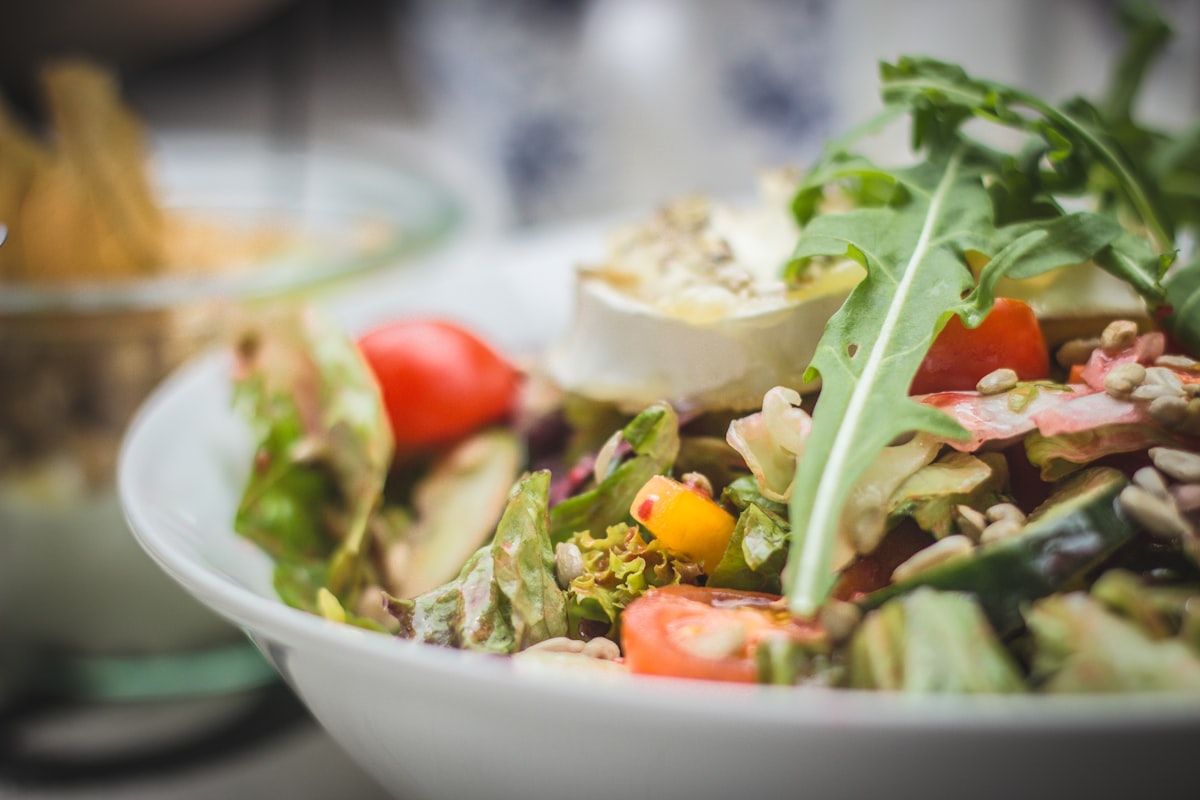
A healthy approach to weight loss focuses on nutrient-dense foods that nourish your body. Rather than restrictive dieting, we emphasise whole grains, lean proteins, fresh vegetables, and healthy fats that keep you satisfied and energised throughout the day.
Consistent Movement
Physical activity strengthens your body and supports weight management through natural metabolic processes. Find activities you genuinely enjoy—whether walking, swimming, cycling, or dancing—and aim for consistency rather than intensity alone.
Quality Sleep & Recovery
Sleep plays a crucial role in weight management by regulating hunger hormones and supporting metabolic function. Aim for 7-9 hours of consistent sleep nightly and create an environment that promotes restful, uninterrupted rest.
Hydration & Wellness
Proper hydration supports every bodily function and helps distinguish genuine hunger from thirst. Drinking adequate water throughout the day aids digestion, increases energy levels, and naturally supports your body's ability to manage weight.
Mindful Eating Habits
Eating mindfully means paying attention to hunger cues, chewing slowly, and enjoying your food. This approach helps you recognise fullness signals, reduces overeating, and creates a healthier relationship with food that lasts beyond any temporary programme.
Sustainable Progress Tracking
Monitor your journey through multiple measures beyond the scale—energy levels, how clothes fit, strength improvements, and how you feel. This holistic view prevents obsession with single metrics and reinforces positive lifestyle changes.
Your Healthy Weight Loss Journey
Follow these five evidence-based steps to create a sustainable approach to weight management that fits into your life.
Assess Your Baseline
Evaluate your current eating patterns, activity levels, and lifestyle. Keep a simple journal for a week to understand your habits without judgment.
Build Sustainable Habits
Make small, realistic changes each week rather than overhauling everything at once. Add one positive habit at a time until it becomes automatic.
Optimise Your Nutrition
Focus on whole foods, adequate protein, plenty of vegetables, and healthy fats. Stay hydrated and eat at regular intervals to maintain steady energy.
Increase Daily Movement
Incorporate both structured exercise and daily activity. Walk when possible, take stairs, and find movement you enjoy to keep consistent engagement.
Maintain & Evolve
Once sustainable habits are established, focus on maintenance and gradual progression. Adjust as your life changes to ensure long-term success.
Understanding Nutrition Fundamentals
Healthy weight management begins with understanding how different foods affect your body. Rather than counting calories obsessively, focus on the quality and nutrient density of what you eat.
Protein Importance
Protein keeps you feeling full longer, supports muscle maintenance, and requires more energy to digest than other nutrients, naturally supporting weight management.
Fibre for Fullness
Whole grains, vegetables, and legumes provide fibre that aids digestion, stabilises blood sugar, and promotes lasting satiety without excess calories.
Healthy Fats Matter
Fats from sources like olive oil, nuts, and fish support hormone production, vitamin absorption, and help regulate appetite hormones naturally.
Micronutrient Dense Foods
Colourful vegetables, fruits, and whole foods provide vitamins and minerals essential for metabolic function and overall health during weight management.
The goal is to build a relationship with food based on nourishment and wellness rather than restriction. When you eat foods that truly fuel your body, weight management becomes a natural side effect of healthy living.

Smart Weight Loss vs Traditional Approaches
Understanding the difference between sustainable healthy practices and unsustainable quick fixes helps you make informed choices.
Sustainable Approach
- Gradual changes that become lifelong habits
- Emphasises whole foods and proper nutrition
- Includes regular movement and strength maintenance
- Supports mental health and stable energy levels
- Results are maintained long-term without rebound
- Flexible and adaptable to personal preferences
Restrictive Methods
- Extreme calorie restriction creates unsustainable hunger
- Eliminates entire food groups unnecessarily
- Often leads to rapid weight regain once stopped
- Can negatively affect mood, energy, and nutrients
- Difficult to maintain alongside normal social life
- Often creates unhealthy relationship with food
Movement for Long-Term Success
Physical activity is not punishment for eating—it is a gift to your body. Regular movement strengthens your heart, improves mood, increases energy, and naturally supports healthy weight management through multiple mechanisms.
Cardio Activity
Walking, cycling, swimming, or dancing improves heart health and burns energy. Choose activities you enjoy so consistency becomes automatic rather than forced.
Strength & Muscle
Resistance exercises build lean muscle, which increases resting metabolic rate and provides long-term support for weight management and functional fitness.
Daily Non-Exercise Activity
Walking, gardening, playing with children, or household tasks all contribute significantly. Every bit of movement adds up over the course of a day.
Flexibility & Balance
Yoga, stretching, or tai chi improve mobility, reduce injury risk, and support overall wellness alongside more intense forms of activity.
The best activity is the one you will actually do consistently. Start with what you enjoy and gradually expand your routine as fitness improves and habits solidify.
Common Questions About Safe Weight Loss
Find answers to frequently asked questions about healthy weight management and sustainable lifestyle changes.
Q: How fast can I expect to lose weight safely?
Safe, sustainable weight loss typically occurs at a rate of 0.5 to 1 kilogram (1significant weight) per week. This gradual pace allows your body to adjust, helps preserve muscle mass, and makes habit changes more sustainable than rapid approaches.
Q: Do I need to follow a specific diet plan?
No. The best approach is one you can maintain long-term. Rather than rigid diet rules, focus on principles like eating whole foods, including protein at meals, drinking plenty of water, and listening to hunger signals. This flexibility makes lasting change possible.
Q: How important is exercise for weight management?
While nutrition is primary for weight loss, exercise provides crucial additional benefits: it preserves muscle during weight loss, boosts metabolism, improves mood and energy, and supports long-term maintenance. Aim for both regular cardio and some strength training weekly.
Q: What should I do if progress plateaus?
Weight loss plateaus are normal and temporary. Rather than cutting calories further, try increasing activity, ensuring adequate sleep, managing stress, or varying your exercise routine. Sometimes stepping back and maintaining for a few weeks helps restart progress naturally.
Q: Can I eat treats and still lose weight?
Yes. Weight management is about overall patterns, not perfection. Enjoying treats occasionally in reasonable portions, while maintaining balanced nutrition most of the time, creates a sustainable approach. Deprivation often leads to unsustainable restriction cycles.
Q: How do I maintain results after reaching my goal?
Maintenance relies on the same principles that got you there: balanced nutrition, regular activity, adequate sleep, and stress management. The habits you've built become your new normal, making maintenance significantly easier than the initial change phase.
The Psychology Behind Sustainable Weight Loss
Your mindset is the foundation of lasting change
Rewire Your Habits
Instead of relying on willpower, create systems that make healthy choices automatic. Small environmental changes compound into major lifestyle shifts over time.
Self-Compassion Matters
Progress isn't linear. Perfection isn't the goal. When setbacks happen—and they will—respond with kindness rather than criticism. This resilience is what separates temporary changes from permanent ones.
Focus on Process, Not Just Outcomes
Scale weight fluctuates daily. Energy levels, clothing fit, and how you feel are better daily indicators. Celebrating small wins keeps motivation alive throughout your journey.
Build Your Support System
Accountability partners, supportive friends, or online communities accelerate progress. Sharing your journey makes challenges feel less isolating and wins feel more meaningful.
Success Stories
Real people, real transformations with SlimDownSmart
"SlimDownSmart made me realize this isn't about perfection—it's about progress. I've lost significant weight in 5 months and actually kept it off because I changed how I think about food."
"I've tried every diet. This is different. The focus on habits and mindset actually stuck with me. I feel healthier and more energetic than I have in years."
"The community support was game-changing for me. Knowing others were on the same journey made all the difference. Down significant weight and feeling amazing!"
Ready to Transform Your Life?
Join thousands who've already discovered that sustainable weight loss is within reach. Start your journey with SlimDownSmart today.
No credit card required. Full access to our core tools.